
Plant vs whey protein is a common debate in sports nutrition. Both types of protein powder can support muscle building and recovery, but they have different benefits depending on your diet, digestion and training goals.
For many years, whey protein has been the go-to choice for people looking to build muscle, improve recovery and support their training. However, plant-based protein powders have become increasingly popular, with options including pea, soy, hemp and rice protein.
So, which is best: plant vs whey protein? The answer depends on your dietary requirements, digestion and personal preferences.
Whey protein is made from milk and contains all nine essential amino acids, making it a complete protein. It is naturally rich in branched-chain amino acids (BCAAs), including leucine, which plays an important role in muscle protein synthesis.
Plant protein comes from sources such as peas, soy, rice and hemp. Some individual plant proteins have lower levels of certain essential amino acids, but carefully selected blends can provide a complete amino acid profile.
Whey protein is a popular choice for muscle growth because it provides high-quality protein and is naturally rich in essential amino acids. It is also convenient after training or whenever you need to increase your daily protein intake.
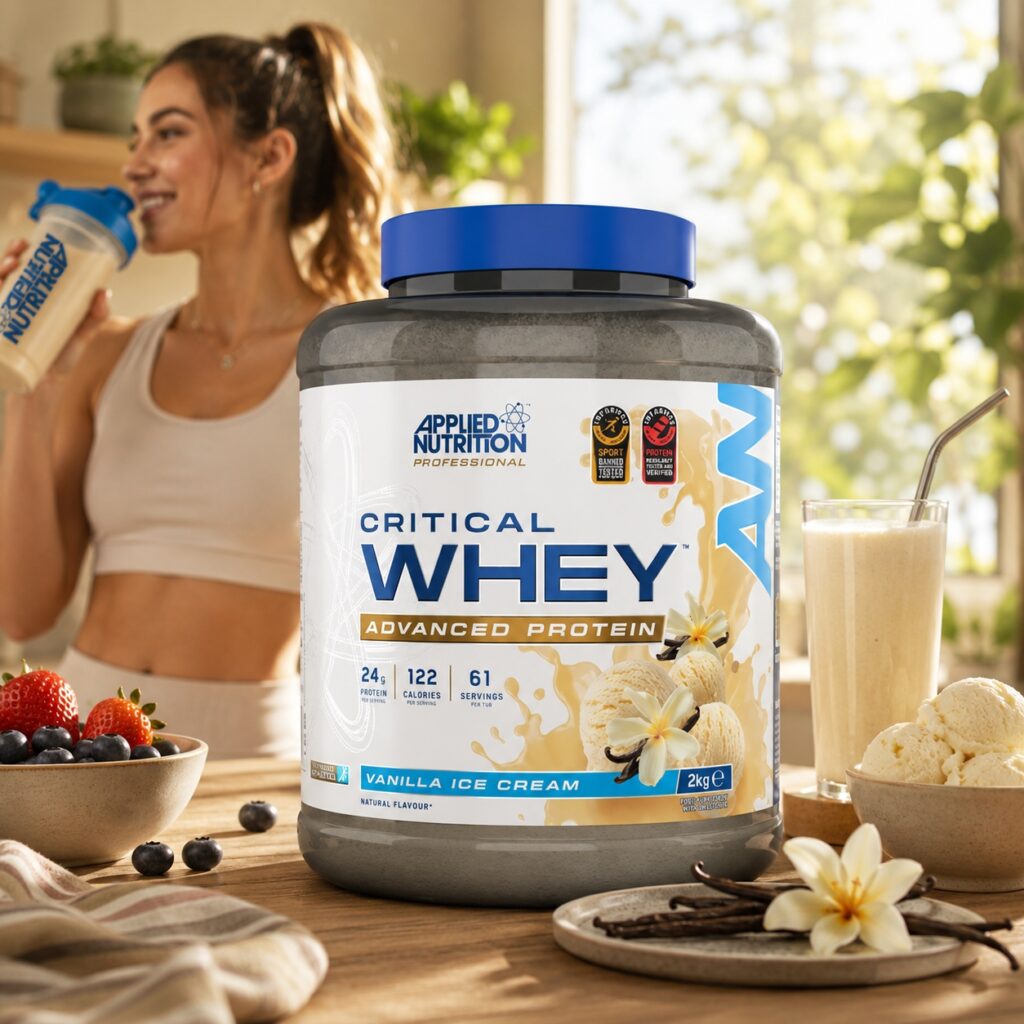
Applied Nutrition Critical Whey is a convenient option for people looking to support their strength training and muscle-building goals. Each serving provides 24g of protein, helping you meet your daily protein requirements.
However, some people find dairy-based protein powders difficult to digest, particularly if they are sensitive to lactose or certain ingredients. The ingredients differ between products, so it is worth checking the label if you have digestive concerns.
Plant protein can be an excellent alternative to whey, particularly for people following a plant-based diet or avoiding dairy.
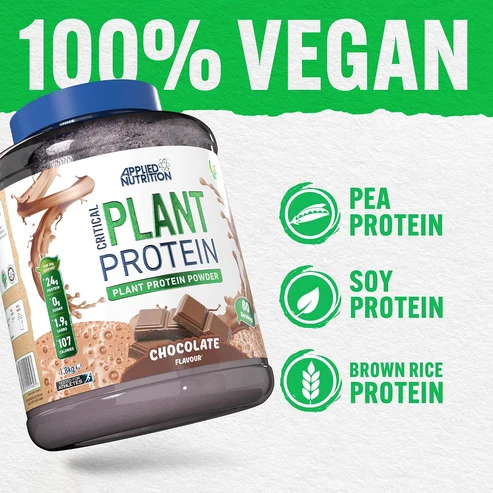
Different plant sources have different nutritional strengths. Soy protein contains all nine essential amino acids, while pea and rice proteins can complement each other when combined in a suitable blend.
Applied Nutrition Critical Plant Protein offers a plant-based option for people who want to increase their protein intake without using dairy-based powders.
A well-formulated plant protein blend can support muscle maintenance, recovery and growth when combined with appropriate resistance training and sufficient daily protein intake.
Both whey and plant protein can help support muscle growth. Your choice should come down to your dietary needs, digestion, taste and personal preference.
Choose whey protein if you:
Choose plant protein if you:
Whichever protein powder you choose, remember that supplements are only one part of the process. Building muscle requires consistent resistance training, enough total daily protein, a balanced diet and sufficient sleep and recovery.
Neither whey nor plant protein will build muscle on its own. Your overall nutrition and training programme are what matter most.
At Heroes Fitness, you can explore Applied Nutrition Critical Whey and Applied Nutrition Critical Plant Protein to find an option that suits your training and dietary preferences.
Whether you choose whey or plant protein, the important thing is finding a quality product that fits your routine and helps you meet your daily protein requirements.
Shop online at Heroes Fitness or visit us at 4 Bridewell Alley, Norwich.